

What is xylitol and why is it good for your teeth?

Did you know that chewing gum with xylitol doesn't cause cavities? But what exactly is xylitol? Xylitol is a type of sugar alcohol that looks and tastes like regular sugar, but has 40% fewer calories. It's also an excellent ally for oral health, recognized by dentists and other health professionals as a […]
Oral care needed for cancer patients

Many cancer treatments have side effects that can affect your mouth, including making it difficult to eat, speak, chew or swallow. But this can be avoided if you go to your dentist as soon as you have received your diagnosis to discuss your case.
Dr. Francisco Rábago is a specialist in this type of intervention, which is why he helps patients who suffer from this disease, carrying out exhaustive monitoring from the beginning until they are discharged.
Should you go to the dentist if you are pregnant?

At Rbg Clinic we advise pregnant women to visit the dentist at least once or twice during the nine months of pregnancy, even if they do not have any ailments. This routine visit will allow you to have control over your mouth and avoid some post-partum pathologies. The second trimester is the time when some emergency treatment can be carried out, with the first and third trimester being the most critical in terms of dental treatment. The ideal thing is to speak to the dentist if you are trying to get pregnant to have a dental check-up and, if necessary, carry out any treatment before getting pregnant.
Why is the work of a dental hygienist so important?

At Rbg Clinic we highlight the importance of hygienists in dental clinics. We are very fortunate to have a consolidated team with years of experience. Their work is essential not only for the Dentist but also for the patient.
Dental hygienists promote dental health to prevent oral problems and diseases. They help patients improve their oral hygiene and diet. They perform treatments such as teeth whitening, which are always supervised by the dentist.
Bleeding gums: a clear warning that your mouth is not well
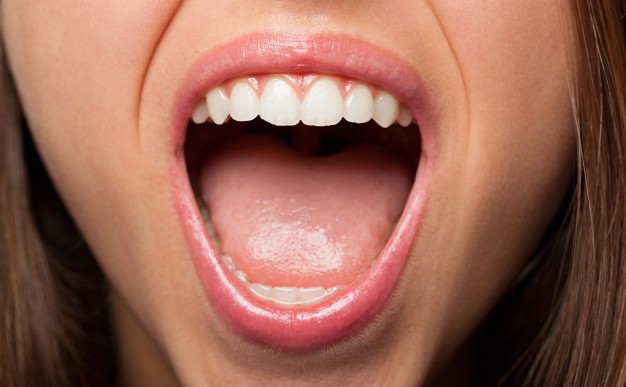
Periodontal disease occurs when the tissues that support the teeth become inflamed due to the continuous deposit of bacteria, which we know as plaque. It is one of the most common diseases and, in Spain, it is estimated that it affects approximately 85% of people over 35 years of age. At Rbg Clinic we advise our patients to pay special attention to their gums, as they are the cause of numerous diseases that directly affect the teeth. Healthy gums are firm and do not bleed, and they adapt perfectly to the edge of the teeth. Good oral health will help prevent plaque formation, either with the correct brush and the use of dental floss.
Electric or manual toothbrushing?

Electric toothbrushes reduce plaque, which is responsible for the production of cavities and gingivitis, more. They are gentler on tooth enamel. These devices have a pressure control mechanism that prevents abrasion on the surface of the teeth, thus respecting tooth enamel.
There are state-of-the-art electric toothbrushes that emit an acoustic or vibrating signal that warns you that the 2 minutes required for proper brushing have passed. These devices are designed with a pressure control mechanism to avoid eroding the surface of the teeth. In addition, the electric toothbrush reduces the bacterial plaque responsible for causing cavities or gingivitis.
Oral hygiene can prevent tooth loss.

Cleaning involves removing plaque and tartar deposits. An ultrasonic tool is often used to remove the bulk of the tartar, followed by other hand tools to scrape away any remaining debris.
Although polishing removes stains and leaves teeth smooth and shiny, it is not just a cosmetic procedure. It also smooths out small imperfections and rough spots on the teeth to prevent plaque from sticking to them.
Is it safe to go to the dentist during this pandemic?
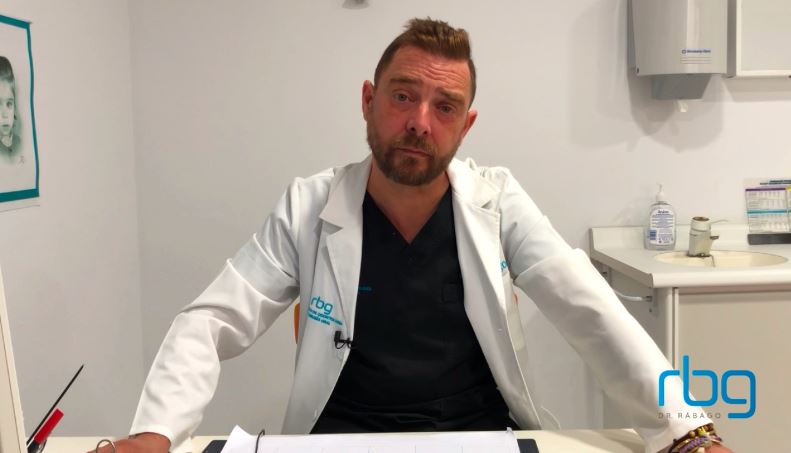
It is safe to go to the dentist in these times of pandemic. Dr. Rábago, a professional with more than 25 years of experience, is very clear about this, since at this time the safety of his patients and team is a priority. Therefore, the answer for him is clear: "I would say it is safer than before." At Rbg Clinic, the safety regulations to prevent Covid-19 have been followed from the very beginning, carrying out an exhaustive disinfection and cleaning process that continues today. A prevention work that is also carried out in the waiting rooms where the entry and exit between patients is carefully monitored, with a time perfectly controlled by our staff to carry out the disinfection process.
"My child grinds his teeth at night." What can I do?

www.rbgclinic.com
Bruxism is one of the most common diseases of the 21st century and is caused by clenching or sliding teeth together, causing wear and sometimes even fractures of the teeth unconsciously. One of the main causes of bruxism is stress. In children, it is not considered a pathology, because it usually disappears when they reach adolescence. This habit is a way of stimulating teeth and promoting bone and muscle formation in the face, and usually decreases when the permanent teeth erupt. Bruxism can be solved with a night guard. Parents often say that "my child grinds his teeth while sleeping"
What kind of diet should our children follow to avoid cavities?

www.rbgclinic.com
What type of diet should children follow to avoid tooth decay? To do this, it is very important to know the foods our children consume. We must know the type of carbohydrates our children consume in their diet (food and drinks), their consistency and the frequency of intake; because the frequent consumption of sugar intervenes in the development of tooth decay, by keeping the pH low, the levels of cariogenic bacteria increase and all this, accompanied by poor oral hygiene, leads to the appearance of caries lesions. Opt for fresh fruits and vegetables such as apples, carrots and celery. Also cheese, milk, natural yogurt: calcium, phosphates, vitamin D in cheese and other dairy products are important minerals for the health of your teeth. Keep in mind that less cariogenic foods contain unrefined carbohydrates, without added sugar. Their higher fiber content can help remove plaque, but they still have the potential to cause cavities without a good oral care routine.
www.rbgclinic.com