

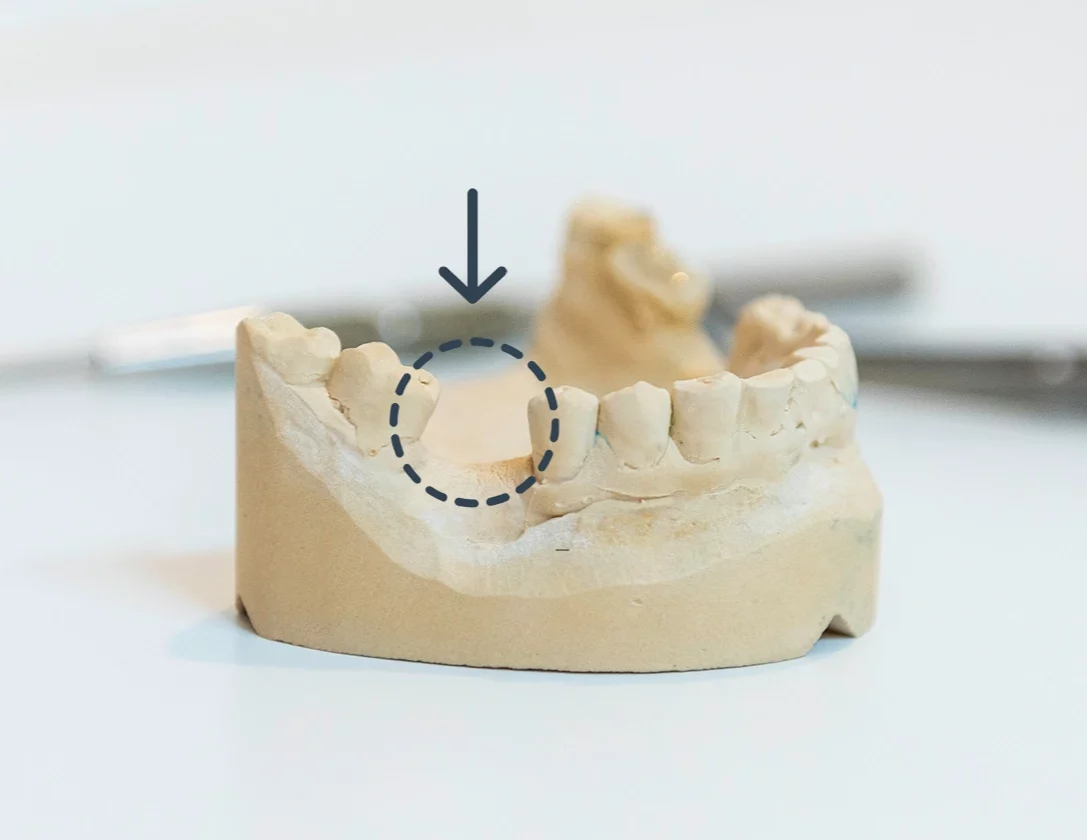
You've taken the plunge and gotten a dental implant. Congratulations—it's the best decision you can make to permanently replace a tooth. Now, the success of the treatment largely depends on what you do in the following days and weeks.
Post-operative care after a dental implant is essential for successful osseointegration—the process by which the titanium implant fuses with the bone. Following these instructions carefully makes the difference between an implant that lasts a lifetime and one that causes complications.
In this guide, Dr. Francisco Rábago, an implantology specialist at RBG Clinic (Jerez de la Frontera), explains everything you need to know: what to expect at each stage, what you can do, and what you should avoid.
Why postoperative care is crucial
Placing the implant is only half the job. The other half occurs in the following months, as the titanium integrates with the bone in a process called osseointegration. During this period, the implant is at its most vulnerable.
Neglecting postoperative care can lead to infection, prolonged inflammation, alveolar bone loss, or, in the worst case, implant failure — something rare but avoidable with proper instructions.
The good news is that the care isn't complicated. It's mostly common sense: rest, gentle hygiene, and avoiding certain habits for a limited time.
Initial care on the day of surgery
The first few hours after implant placement are the most important. Your body is processing the procedure and needs optimal conditions to begin healing.
Bleeding control
It's normal to have some bleeding during the first few hours. To manage it:
Gently bite down on the gauze we will give you at the clinic for 30-45 minutes
If bleeding continues, place a clean, fresh gauze pad and bite down again with gentle pressure.
Don't spit, don't rinse, and don't use a straw — the pressure can dislodge the clot.
If the bleeding is heavy or does not stop after 2 hours of applying pressure, call us immediately on 956 339 083.
Pain and inflammation control
It's completely normal to feel discomfort as the anesthesia wears off. Take the pain medication we prescribed even if you don't feel pain yet—it's much more effective to prevent pain than to treat it once it's already set in.
For swelling, apply external cold to the cheek for the first 24 hours: 20 minutes with cold, 20 minutes of rest. Never use heat—it worsens the swelling.
Rest on the day of surgery
Avoid any physical exertion on the day of the procedure. No sports, strenuous physical activity, or anything that raises your blood pressure. Ideally, spend the rest of the day resting with your head slightly elevated.
Oral hygiene after implantation — how to do it right
Keeping the area clean is essential to prevent infection. But you must do it carefully so as not to interfere with healing. Don't be afraid to touch the area—fear leads to neglecting to clean it, and poor hygiene is a major cause of complications.
The first 3 days
- Do not brush directly over the implant area
- Brush the rest of your mouth as normal
- Rinse gently with 0.12% chlorhexidine after each meal (the mouthwash we prescribed).
- Don't spit forcefully — tilt your head towards the sink and let the liquid flow out on its own.
From the 4th day
- You can start gently brushing the area with a very soft bristle brush
- Make gentle vertical movements, without pressure.
- Continue using the chlorhexidine mouthwash until we tell you otherwise.
- Incorporate flossing with caution — avoid the treated area for the first few weeks
In the long term
Once osseointegration is complete, the implant is maintained just like a natural tooth: brushing twice a day, flossing, and checkups every six months. We also recommend using a water flosser to keep the area around the implant clean.
Lifestyle habits during recovery
Physical activity
Avoid strenuous exercise, swimming, and any physical exertion for at least one week after surgery. Physical activity increases blood pressure and can cause bleeding or dislodge the clot. After that week, gradually resume exercise.
Tobacco and alcohol
We've already mentioned it, but it bears repeating: tobacco is the number one risk factor for dental implant failure. Alcohol also interferes with healing, as do some antibiotics. Avoid both for at least the first two weeks.
Airplane flight
If you plan to travel by plane in the days following your surgery, please consult us beforehand. Changes in pressure can affect healing in some cases.
Work and normal life
In most cases, you can return to work the next day if it's a sedentary job. If your job requires physical exertion, it's best to wait 3-5 days. Consult with us regarding your specific situation.
Call us if any of these symptoms appear
- Heavy bleeding that does not stop with pressure after 2 hours
- Pain that increases from the 4th day onwards (instead of decreasing)
- Fever above 38°C
- Inflammation that increases after the first week
- Persistent bad taste or pus in the implant area
- Does the implant move or do you notice that it's loose?